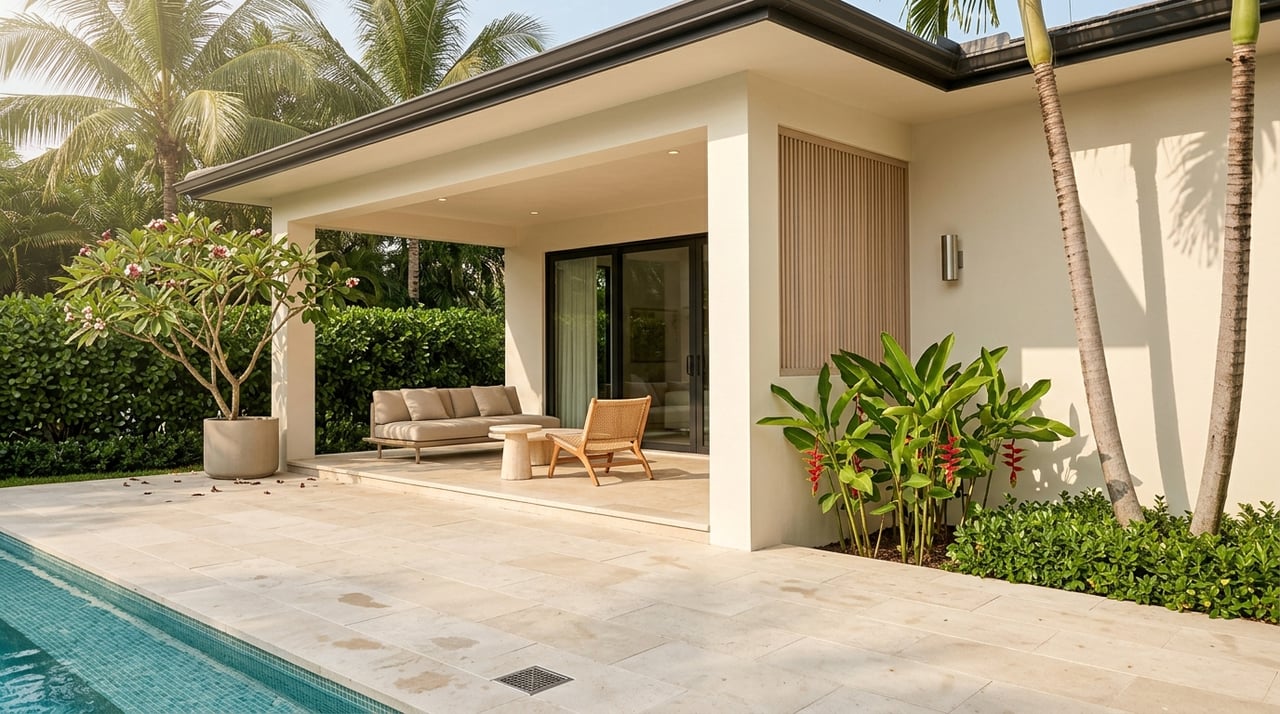
Owning a luxury home in Dorado can feel effortless when everything is working as it should. But on Puerto Rico’s north coast, salt air, humidity, heavy rain, and storm season can turn small issues into expensive repairs if they go unchecked. A well-designed maintenance plan helps you protect your home, preserve its condition, and avoid reactive decision-making. Let’s dive in.
Why Dorado estates need a different plan
Dorado’s location along the Atlantic coast shapes how a home should be maintained. Local hazard planning for the municipality identifies flooding, strong winds, storm surge, coastal erosion, drought, landslides, wildfire, and earthquake-related risks among the planning hazards that matter in the area.
For you as an owner, that means maintenance is not just about appearance. It is part of protecting the structure, systems, outdoor spaces, and overall value of your property. In a market like Dorado, a thoughtful plan should account for climate, seasonality, and how often the home is occupied.
NOAA notes that Atlantic hurricane season runs from June 1 through November 30. Even outside that window, coastal conditions still affect exteriors, drainage, HVAC performance, and outdoor amenities year-round.
Start with asset protection
The best maintenance plans begin with a simple shift in mindset. Instead of waiting for something to fail, you treat the property like a high-value asset that needs regular oversight and clear routines.
That is especially important for second homes and seasonally occupied residences. When a property sits empty for stretches of time, leaks, humidity drift, pest issues, or equipment problems can go unnoticed until the repair is larger and more disruptive.
A strong plan should answer three questions:
- What needs to be checked regularly?
- How often should each item be reviewed?
- Who is responsible for observation, scheduling, and follow-through?
Put moisture control first
In Dorado, moisture management should sit at the center of your maintenance plan. The EPA states that indoor mold growth is controlled by controlling moisture, not by trying to eliminate every mold spore.
That makes indoor humidity, air conditioning performance, and quick response to water intrusion especially important. The EPA recommends keeping indoor relative humidity below 60 percent, with an ideal range of 30 to 50 percent.
Key moisture-control tasks
Your plan should include routine checks for the systems and conditions most likely to support moisture buildup:
- Air conditioning performance
- Dehumidifier operation
- HVAC drip pans
- Filters
- Condensate lines
- Plumbing leaks
- Damp walls, ceilings, or baseboards
- Water intrusion around windows and doors
If anything gets wet, speed matters. The EPA recommends drying wet materials within 24 to 48 hours, which makes routine inspection and fast escalation essential.
Watch for coastal corrosion
Salt air can quietly wear down materials over time. NOAA guidance notes that salt spray often leads to corrosion in coastal environments, and NIST findings show that higher temperature and humidity can accelerate corrosion and shorten the useful life of coastal steel and concrete elements.
For a Dorado estate, this means your maintenance plan should include recurring inspections of every exposed component that can rust, degrade, or lose its seal. Minor surface changes may look cosmetic at first, but they can point to a larger repair if left alone.
Areas to inspect for corrosion
Pay close attention to:
- Railings
- Exterior fasteners
- Window frames
- Door hardware
- Balcony elements
- Metal gates or fencing
- Exterior coatings
- Sealants
- Exposed concrete
A proactive touch-up schedule can help you address wear before it spreads. In coastal properties, deferred exterior maintenance often becomes more expensive than expected.
Build drainage and landscape into the plan
Outdoor areas need their own maintenance logic in Dorado. Heavy rain, windborne debris, salt exposure, and strong sun can affect drainage paths, irrigation systems, hardscape surfaces, and outdoor furnishings.
NOAA guidance also points to the need for corrosion-resistant elements and salt-tolerant vegetation in wetter, coastal settings. For you, that means landscape care should support resilience, not just appearance.
Outdoor priorities to schedule
Include regular oversight of:
- Gutters and drains
- Roof runoff paths
- Irrigation timers
- Tree pruning
- Storm debris removal
- Pool equipment
- Hardscape surfaces
- Outdoor furniture and fixtures
This part of the plan becomes even more important before and during hurricane season. Clear drainage and well-managed landscaping can help reduce preventable issues during periods of heavy weather.
Use a practical inspection cadence
A maintenance plan works best when it follows a consistent schedule. Based on EPA moisture guidance, NOAA’s hurricane calendar, and Dorado’s local hazard profile, a recurring inspection cadence can help you stay ahead of common issues.
Weekly or biweekly checks
These walk-throughs are especially helpful if your home is vacant or only seasonally occupied. They focus on identifying early signs of change before they become repairs.
Typical checks include:
- Leaks or damp areas
- Humidity drift
- AC performance
- Pool condition
- Pest activity
- Storm debris
Monthly checks
Monthly tasks help keep core systems stable and ensure smaller maintenance items are not missed. This is also a good time to review vendor completion and confirm nothing has been delayed.
Monthly items often include:
- Cleaning or replacing filters
- Checking dehumidifiers
- Inspecting condensate lines
- Looking for visible rust or staining
- Clearing drains
- Verifying irrigation settings
- Reviewing open maintenance items
Quarterly service visits
Quarterly service is a smart interval for technical systems and exterior wear points. It creates space to correct small defects before they affect finishes or equipment life.
Quarterly tasks may include:
- HVAC service
- Generator or backup power service, if present
- Pool system service
- Irrigation service
- Roof edge inspection
- Seal inspection
- Exterior hardware checks
- Paint or sealant touch-ups
Pre-season and post-season reviews
Before June, your plan should shift into hurricane preparation mode. After November, it should include a full review of any damage, deferred items, or repairs needed to reset the property.
This seasonal rhythm matters because storm readiness is not a one-time checklist. It is a recurring part of owning and protecting a home in Dorado.
Annual specialist reviews
Some work belongs with licensed or specialized trades. Annual reviews can help you spot deterioration, confirm performance, and address issues that are not visible in a routine walk-through.
Annual service should be considered for:
- Roofing
- Plumbing
- Electrical systems
- Waterproofing
- Pest or termite control
- Structural or engineering review after a storm or seismic event, if needed
Assign the right responsibilities
A maintenance plan only works when each task has a clear owner. Routine observation, scheduling, and vendor coordination should not be left vague, especially for high-value homes with multiple systems and outdoor features.
In practice, a property management team is well positioned to handle recurring inspections, preventive maintenance scheduling, utilities oversight, HOA communication, landscaping coordination, pool maintenance coordination, housekeeping coordination, and vendor follow-through. Technical repairs and specialty evaluations should stay with the appropriate trade professionals.
What local oversight can handle
Ongoing estate oversight may include:
- Routine inspections
- Preventive maintenance scheduling
- Vendor supervision
- HOA liaison support
- Utilities oversight
- Landscaping coordination
- Pool maintenance coordination
- Housekeeping coordination
- Pre-arrival preparation
- Departure or reset coordination
What specialists should handle
Specialized work should be assigned to the proper vendors, such as:
- HVAC technicians
- Electricians
- Plumbers
- Roofers
- Waterproofing contractors
- Pool service professionals
- Pest control providers
- Arborists
- Structural specialists when needed
This structure helps you avoid ad hoc decision-making. It also makes it easier to document service history and maintain consistency over time.
Match the plan to how you use the home
Not every Dorado estate needs the same level of oversight. A full-time residence, a second home, and an income-producing property each call for a different operating rhythm.
If your home is occupied seasonally, you may need more frequent check-ins between stays. If the property sits within a resort or managed community, coordination with local rules, access procedures, and shared systems may also need to be built into the plan.
If the residence is used as a rental, the maintenance roadmap should also support turnovers, readiness checks, and timely issue resolution between guests or tenants. In each case, the goal is the same: keep the property ready, protected, and well managed without relying on last-minute fixes.
How Loggia supports a Dorado estate plan
Loggia’s service structure aligns closely with the needs of a documented estate maintenance plan. Its Standard Property Care and Premium Property Care services include many of the recurring oversight tasks that help luxury homes stay on track, including inspections, preventive maintenance, vendor oversight, utilities oversight, HOA coordination, landscaping coordination, pool maintenance coordination, housekeeping coordination, and issue resolution.
For owners who need more frequent checks, resort or community coordination, golf cart oversight, pre-arrival preparation, or departure resets, Premium offers a higher-touch option. For income-producing residences, Elite Full Property Management adds listing management, tenant and guest communication, screening and lease coordination, rent collection, booking and calendar management, turnover coordination, ongoing rental oversight, and hurricane-season preparation.
That kind of structure can be especially useful in Dorado, where climate, occupancy patterns, and service coordination all shape the condition of the home over time. A polished property experience usually depends on disciplined behind-the-scenes systems.
A well-kept estate runs on routine
The most effective maintenance plans are not complicated. They are clear, consistent, and built around the realities of the home’s location, systems, and use.
In Dorado, that means paying close attention to moisture, corrosion, drainage, storm readiness, and recurring inspections. When those pieces are handled with structure and follow-through, you reduce surprises and make it easier to protect the long-term condition of your property.
If you want a more organized approach to caring for your residence, Loggia Property Services can help you build a tailored plan that fits your home, schedule, and ownership style.
FAQs
How often should a Dorado estate be inspected?
- A practical framework is weekly or biweekly walk-throughs, monthly system checks, quarterly servicing, pre-season and post-season hurricane reviews, and annual specialist inspections as needed.
Why is moisture control so important for a Dorado home?
- Dorado’s coastal humidity can increase the risk of mold, system strain, and interior damage, so keeping humidity under control and responding quickly to leaks or wet materials is a core part of maintenance.
What exterior areas need the most attention in a coastal Dorado property?
- Railings, fasteners, windows, door hardware, balconies, coatings, sealants, exposed concrete, drainage paths, irrigation systems, and pool equipment all deserve regular review because of salt air, rain, and sun exposure.
Who should manage routine maintenance for a second home in Dorado?
- A local property management team can oversee inspections, scheduling, vendor coordination, utilities, landscaping, pool servicing, housekeeping, and readiness checks, while licensed trades handle technical repairs and specialty work.
What should a hurricane-season plan for a Dorado estate include?
- It should include preparation before June, regular storm-readiness oversight during the season, and a post-season review after November to assess damage, document repairs, and reset the property for the next cycle.
Can a maintenance plan support a Dorado rental property too?
- Yes. A maintenance plan can help support turnovers, guest or tenant readiness, issue resolution, and ongoing oversight so the property stays protected while remaining operationally ready.